
Lyrics & Translation
Dive into the beautiful world of Japanese music with AAA's "風に薫る夏の記憶" (Kaze ni Kaoru Natsu no Kioku). This emotional medium-tempo ballad offers a perfect gateway to understanding poetic Japanese expressions related to love, memory, and the changing seasons. Its poignant lyrics and evocative imagery make it a special song for language learners and music enthusiasts alike, allowing you to appreciate the nuances of Japanese storytelling through song.
Key Vocabulary
| Vocabulary | Meanings |
|---|---|
|
記憶 /kioku/ B1 |
|
|
想い出 /omoide/ B1 |
|
|
夏 /natsu/ A1 |
|
|
恋 /koi/ B1 |
|
|
運命 /unmei/ B2 |
|
|
声 /koe/ A2 |
|
|
気持ち /kimochi/ B1 |
|
|
未来 /mirai/ B2 |
|
|
強く /tsuyoku/ B1 |
|
|
夢中 /muchuu/ B2 |
|
|
灯火 /touka/ B2 |
|
|
香り /kaori/ B1 |
|
|
祭り /matsuri/ A2 |
|
|
手 /te/ A1 |
|
|
海 /umi/ A1 |
|
|
二人 /futari/ A2 |
|
|
過去 /kako/ B1 |
|
“記憶, 想い出, 夏” – got them all figured out?
⚡ Dive into vocabulary challenges in the app and lock in your knowledge right after jamming to "風に薫る夏の記憶"
Key Grammar Structures
-
想い出は遠きSummer Days
➔ Use of the adjective '遠き' (distant) in the classical or literary form to describe 'Summer Days.'
➔ The adjective '遠き' is the classical ai-form of '遠い' (far), used here to give a poetic or literary tone.
-
はじまりはそんなSummer Night
➔ Use of 'は' as a topic marker to indicate that 'such Summer Night' is the subject of the sentence.
➔ The particle 'は' marks the topic of the sentence, emphasizing 'such Summer Night' as the thematic focus.
-
風に薫る夏の記憶
➔ Use of 'に' to indicate the agent or means by which the summer memories are 'aromatic' or 'perfumed' by the wind.
➔ The particle 'に' indicates the relationship where the wind causes the summer memories to 'aromatically' exist or be felt.
-
もう二度とこの夏はめぐることはないから
➔ Use of 'は' as a topic marker combined with 'ことはない' to indicate that 'this summer will never recur again.'
➔ 'は' marks the topic, and 'ことはない' is a phrase meaning 'there is no chance that,' expressing permanence or certainty about the summer not returning.
-
何度目かの初めてを始めよう
➔ Use of 'か' in '何度目か' to indicate an indefinite or certain number of times, meaning 'the nth time'; combined with 'を始めよう' to suggest starting anew.
➔ 'か' is a question particle that also indicates indeterminate numbering; 'を始めよう' is volitional form meaning 'let's start.'
-
過去を彩って
➔ Use of 'て' form in '彩って' to connect actions, here meaning 'coloring' or 'embellishing' the past.
➔ The て-form links verbs and indicates an ongoing or connected action, here embellishing or decorating the past.
Album: Wake up!
Same Singer
No Way Back
AAA
MAGIC
AAA
涙のない世界
AAA

AAA
AAA

NEW
AAA
愛してるのに、愛せない
AAA

LOVER
AAA

Lil' Infinity
AAA
Charming Kiss
AAA, 伊藤千晃
さよならの前に
AAA
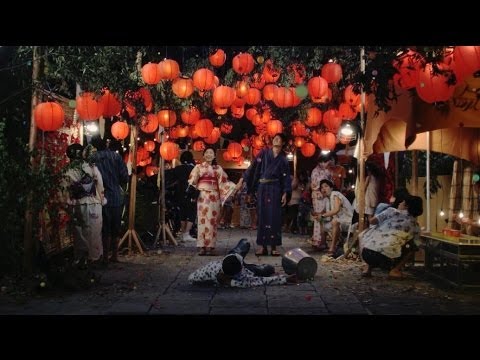
風に薫る夏の記憶
AAA
Wake up!
AAA

SHOW TIME
AAA

Love
AAA
逢いたい理由
AAA
ぼくの憂鬱と不機嫌な彼女
AAA

恋音と雨空
AAA
ダイジナコト
AAA

Miss you
AAA

Em Xinh Say Hi
AAA
Related Songs

Rhythm Divine
Enrique Iglesias

Best Friend
Sofia Camara

Before The Light Goes
Melody Blush

Babydoll
Dominic Fike
Nevada
Vicetone, Cozi Zuehlsdorff

Nevada
Vicetone, Cozi Zuehlsdorff

Kings & Queens
Ava Max

Fake Happy
Paramore

Hard To Love
ROSÉ

¿Cómo Así?
Kali Uchis

Diosa
Kali Uchis

Te Mata
Kali Uchis

Dame Beso // Muévete
Kali Uchis

La Chica de Humo
Emmanuel
Just The Way You Are
Milky

Stay
Zedd, Alessia Cara

Perfect
Ed Sheeran

Girls Like You
Maroon 5, Cardi B

Shape of You
Ed Sheeran

Nothing's Gonna Change My Love For You
Isaac Hong, Park Jeong Woo