
歌詞と翻訳
「ティエンポ」は、スペイン語の美しさと奥深さを学ぶのに最適な曲です。時間の価値や愛と喪失の感情を表現する歌詞を通じて、スペイン語の表現力や情感豊かな語彙を体験できます。この曲は、ボレロ/バラードスタイルの旋律と、レナート・ルデュックのソネットに基づく詩的な歌詞が融合し、特別な魅力を持っています。
主要な語彙
| 語彙 | 意味 |
|---|---|
|
tiempo ˈtjempo A1 |
|
|
amar aˈmar A1 |
|
|
desatarse desaˈtarse B1 |
|
|
refrán reˈfɾan A2 |
|
|
aliviar aliˈβjar A2 |
|
|
martirizar maɾtiɾiˈθar B2 |
|
|
acremente akɾeˈmente B2 |
|
|
ignorar iɣnoˈɾar A2 |
|
|
oro ˈoro A1 |
|
|
añorar aɲoˈɾar A2 |
|
|
dicha ˈditʃa A2 |
|
|
inicua iˈnikwa B2 |
|
|
virtud βirˈtuð A2 |
|
|
perder peɾˈðer A1 |
|
|
sabio ˈsaβjo A2 |
|
主要な文法構造
-
Sabia virtud de conocer el tiempo
➔ 女性単数形形容詞一致
➔ 形容詞'sabia'は'virtud'と性と数の一致し、どちらも女性単数形です。
-
A tiempo amar y desatarse a tiempo
➔ 前置詞後の原形動詞
➔ 原形動詞'amar'と'desatarse'は前置詞'a'の後に使われ、スペイン語では一般的です。
-
Que de amor y dolor, alivia el tiempo
➔ 関係代名詞'que'
➔ 関係代名詞'que'は'el tiempo'を説明する関係節を導入します。
-
Amar, queriendo como en otro tiempo
➔ 前置詞後の動名詞
➔ 動名詞'queriendo'は前置詞'como'の後に使われ、同時の動作を示します。
-
Ignoraba yo aun que el tiempo es oro
➔ 'aun'による強調
➔ 'aun'は状況にもかかわらず無知の継続を強調するために使われます。
-
Cuanto tiempo perdí
➔ 中性代名詞'cuanto'
➔ 代名詞'cuanto'は不特定の時間量を指すために中性的な意味で使われます。
-
La dicha inicua de perder el tiempo
➔ 女性単数名詞と形容詞
➔ 名詞'dicha'は女性単数形で、形容詞'inicua'と一致します。
Album: Y Algo Mas
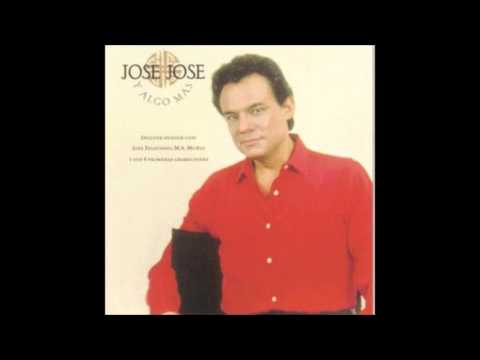
Tiempo
José José, Marco Antonio Muñiz
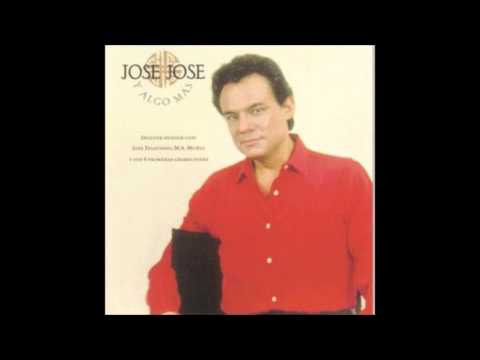
New York, New York
José José
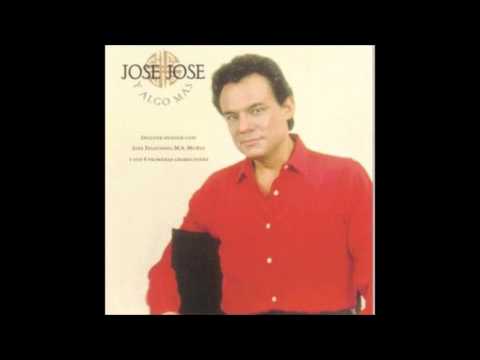
Te Quiero Asi (Te Amare)
José José
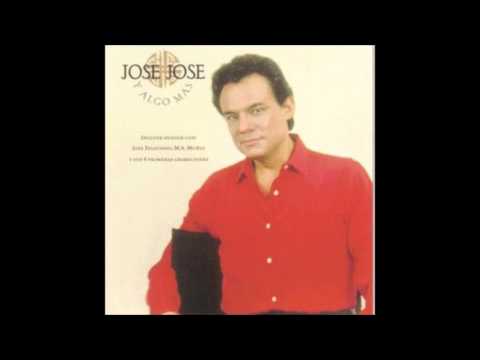
Por Ella
José José, José Feliciano
No Me Dejes Solo
José José
Infiel
José José
Cruz De Olvido
José José, Marco Antonio Muñiz
Mi Vida
José José

No Me Dejes Solo
José José
同じ歌手

Mientras Llueve
José José

Amándote
José José

Gotas de Fuego
José José

Buenos Días, Amor
José José

Sentimientos
José José

Mañana No
José José

En Ti
José José
Sólo Yo Seguiré Siendo Tuyo
José José
Soy Como Quieres Tú
José José

La Primera Vez
José José

La noche de los dos
José José
La Noche de los Dos
José José
Avalancha
José José
Si Alguien Me Dijera
José José

Presiento
José José

Será
José José

Ya Viví
José José

La Primera Vez
José José

Amor, Amor
José José
Amor
José José
関連曲

Rhythm Divine
Enrique Iglesias

Best Friend
Sofia Camara

Before The Light Goes
Melody Blush

Babydoll
Dominic Fike

Nevada
Vicetone, Cozi Zuehlsdorff

Nevada
Vicetone, Cozi Zuehlsdorff

Kings & Queens
Ava Max

Fake Happy
Paramore

Hard To Love
ROSÉ

¿Cómo Así?
Kali Uchis

Diosa
Kali Uchis

Te Mata
Kali Uchis

Dame Beso // Muévete
Kali Uchis

La Chica de Humo
Emmanuel

Just The Way You Are
Milky

Stay
Zedd, Alessia Cara

Perfect
Ed Sheeran

Girls Like You
Maroon 5, Cardi B

Shape of You
Ed Sheeran

Nothing's Gonna Change My Love For You
Isaac Hong, Park Jeong Woo