
Letras y Traducción
Vocabulario clave
| Vocabulario | Significados |
|---|---|
|
muerte /ˈmweɾ.te/ A1 |
|
|
robar /roˈβar/ A2 |
|
|
ángel /ˈaŋ.xel/ A1 |
|
|
volar /boˈlar/ A1 |
|
|
arrancar /a.rranˈkar/ B1 |
|
|
luz /luθ/ A1 |
|
|
brillar /briˈʎar/ A2 |
|
|
botín /boˈtin/ B1 |
|
|
dolor /doˈlor/ A2 |
|
|
vacío /baˈθi.o/ B1 |
|
|
ausencia /au̯.ˈsen.θja/ B1 |
|
|
desnudo /desˈnu.ðo/ B1 |
|
|
luna /ˈlu.na/ A1 |
|
|
tenue /ˈten.we/ B2 |
|
|
cautivó /kau̯.tiˈβo/ B2 |
|
|
cristal /krisˈtal/ B1 |
|
|
réquiem /ˈre.kjem/ B2 |
|
|
arropando /a.roˈpan.do/ C1 |
|
|
soledad /so.leˈðað/ B1 |
|
🚀 "muerte", "robar" – "Requiem" – ¿no lo pillas aún?
Aprende vocabulario con lo trending – escucha, comprende, aplica y ¡no te quedes atrás!
Estructuras gramaticales clave
-
Why have you come to take something pure before it could rise?
➔ Uso de 'haber' + participio pasado en una pregunta subordinada (infinitivo perfecto).
➔ La frase 'has venido a robar' combina una acción completada ('has venido') con un infinitivo de propósito ('robar').
-
Where do you take your spoil?
➔ Uso del pronombre interrogativo 'dónde' con inversión verbal en pregunta directa.
➔ En preguntas directas se invierte el verbo y sujeto: '¿Dónde llevas tu botín?'.
-
Who decides when you act?
➔ Pregunta subordinada 'quién decide' y cláusula con obligación modal 'has de actuar'.
➔ 'Has de' expresa obligación, equivalente a 'tienes que'.
-
For the one whose light illuminated the path.
➔ Oración relativa con 'cuyo', que concuerda en género y número con el sustantivo poseído.
➔ 'Cuyo' une 'aquel' con 'luz': 'por aquel cuya luz…'.
-
He gave everything and asked for nothing in return.
➔ Pret. perfecto simple para acciones terminadas y expresión 'a cambio'.
➔ Los verbos pasados 'daba' y 'pidió' contrastan entrega y falta de interés.
-
He wrapped all my dreams and taught me to believe in myself.
➔ Dos verbos en pretérito expresan acciones terminadas sucesivas.
➔ 'Arropó' y 'enseñó' forman una secuencia emocional en el pasado.
-
Why do you come without warning?
➔ Verbo de movimiento en presente y construcción 'sin avisar' (sin aviso).
➔ 'Llegas' expresa inmediatez emocional, más que un tiempo literal.
-
Do you not see you leave me defenseless?
➔ Construcción 'no ves que…' que introduce una exclamación o reproche.
➔ Se usa indicativo tras 'que' porque el hablante lo afirma como hecho.
-
The moon shines with faint light.
➔ Presente descriptivo y uso de 'con' para expresar el modo.
➔ 'Brillas con tenue luz' subraya delicadeza poética.
-
Forever is too long a time.
➔ Uso idiomático de 'para siempre' con el verbo ser metafóricamente.
➔ Expresa que 'para siempre' resulta insoportable; metáfora de la pérdida.
Album: Requiem-tercer acto
Nudos
Stravaganzza
El Día de Mañana
Stravaganzza
Perdido
Stravaganzza
Hermanos
Stravaganzza
Tu Esencia
Stravaganzza
Inmortal
Stravaganzza
Requiem
Stravaganzza
Mismo cantante
Dios
Stravaganzza
Oveja Negra
Stravaganzza
Mi Tempestad
Stravaganzza
Lágrimas de Sangre
Stravaganzza
Y en soledad me lamento
Stravaganzza
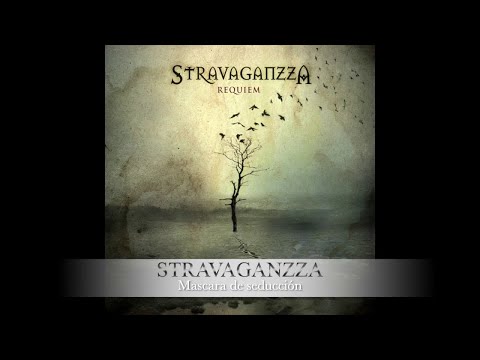
Máscara de Seducción
Stravaganzza
Nudos
Stravaganzza
El Día de Mañana
Stravaganzza
Perdido
Stravaganzza
Hermanos
Stravaganzza
Tu Esencia
Stravaganzza
Inmortal
Stravaganzza
Requiem
Stravaganzza
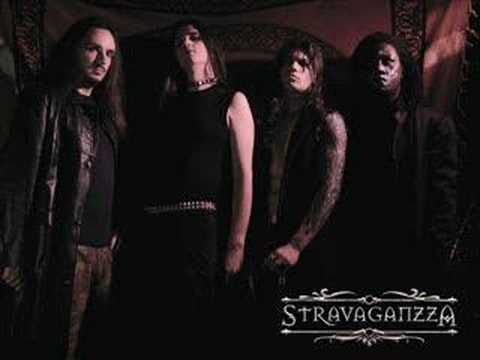
Frustración
Stravaganzza

Cuestión de Fe
Stravaganzza

Agonía
Stravaganzza

La Tormenta
Stravaganzza

La Cicatriz
Stravaganzza

Máquinas
Stravaganzza

Raíces
Stravaganzza
Canciones relacionadas

No.7
Mrs. GREEN APPLE
パッチワーク・ヒーロー
緋八マナ
Molecular Gastronomy
Silica Gel

Eternal Summer
The Strokes
Not The Same Anymore
The Strokes
Ode To The Mets
The Strokes

What Ever Happened?
The Strokes

Between Love & Hate
The Strokes

Meet Me in the Bathroom
The Strokes

Under Control
The Strokes

The Way It Is
The Strokes

I Can't Win
The Strokes

You Talk Way Too Much
The Strokes

Dead Man Walking
Against The Current

House of Memories
Panic! At The Disco
どうしてもどうしても
back number

C.U.R.I.O.S.I.T.Y.
ONE OK ROCK

Whiskey in the Jar
Metallica

Sunset
Nerd Connection

Beggin'
Måneskin